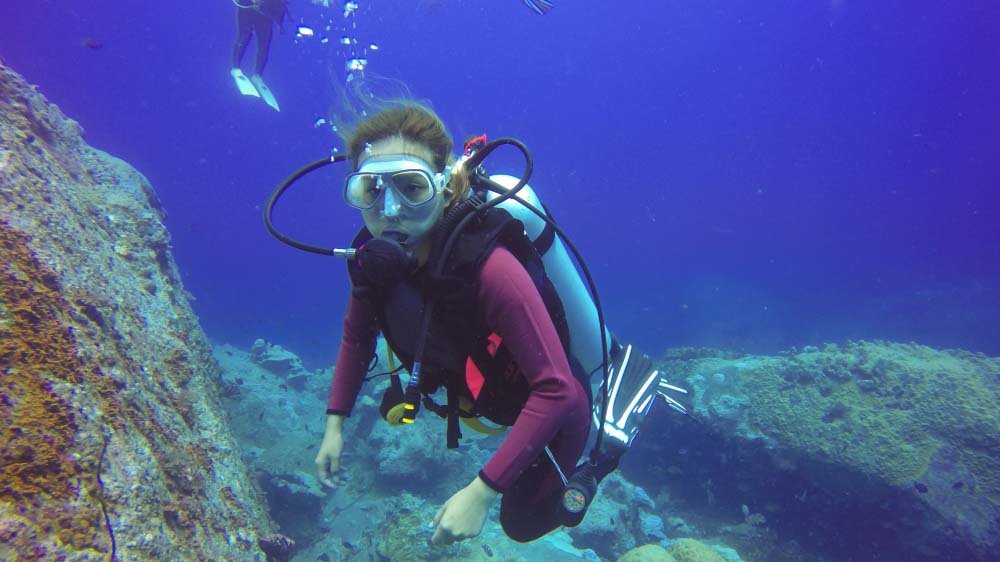
Exploring the Depths: A Beginner’s Guide to Scuba Diving
- gautam4142
- November 21, 2024
- Blog
- 0 Comments
Scuba diving is an exhilarating activity that allows you to explore the underwater world like never before. From vibrant coral reefs to mysterious shipwrecks, the ocean offers a plethora of experiences for those who dare to take the plunge. This guide will cover the essentials of scuba diving, including the equipment needed, safety tips, and the best destinations for beginners.
What is Scuba Diving?
Scuba diving involves using a self-contained underwater breathing apparatus (scuba) to explore beneath the surface of the water. Unlike snorkeling, which allows limited underwater observation, scuba diving enables divers to stay submerged for extended periods and discover a broader range of marine life and landscapes.
Essential Equipment
To start scuba diving, you’ll need some essential gear:
- Mask and Snorkel: A well-fitting mask allows you to see clearly underwater, while a snorkel enables you to breathe at the surface without lifting your head.
- Wetsuit or Drysuit: Depending on the water temperature, you’ll need a wetsuit for warmer waters or a drysuit for colder conditions. These suits provide thermal protection and buoyancy.
- Buoyancy Control Device (BCD): This vest-like device helps you control your buoyancy underwater, allowing you to ascend and descend with ease.
- Regulator: The regulator delivers air from your tank to your mouth. It allows you to breathe comfortably while diving.
- Tank: The tank holds compressed air that you will breathe while underwater.
- Weights: Weights help counteract buoyancy and keep you submerged during your dive.
- Dive Computer: A dive computer tracks your depth and time underwater, helping you manage your dive safely.
Safety Tips for Beginners
Safety is paramount in scuba diving. Here are some essential tips for novice divers:
- Get Certified: Before diving, complete a certification course from a recognized agency such as PADI or SSI. This training will teach you the necessary skills and safety protocols.
- Dive with a Buddy: Always dive with a partner. Having someone with you ensures safety in case of emergencies.
- Plan Your Dive: Discuss your dive plan with your buddy, including depths, duration, and any specific objectives.
- Equalize Pressure: As you descend, remember to equalize the pressure in your ears to avoid discomfort or injury.
- Monitor Air Supply: Keep an eye on your air supply throughout the dive and ascend when it’s time to do so.
- Avoid Rapid Ascents: Ascend slowly to prevent decompression sickness. Follow the recommended ascent rate of no more than 30 feet per minute.
Best Scuba Diving Destinations for Beginners
If you’re ready to start diving, consider these beginner-friendly locations:
- Great Barrier Reef, Australia: This world-famous reef offers stunning coral formations and diverse marine life, making it ideal for new divers.
- Cozumel, Mexico: Known for its clear waters and vibrant reefs, Cozumel is perfect for inexperienced divers looking for easy access to dive sites.
- Key Largo, Florida: Home to the John Pennekamp Coral Reef State Park, Key Largo features shallow reefs and abundant marine life, perfect for beginners.
- Bonaire, Caribbean: Bonaire is renowned for its shore diving opportunities, allowing beginners to enter the water easily.
- Maldives: With warm waters and beautiful coral gardens, the Maldives offers a fantastic diving experience for newcomers.
Conclusion
Scuba diving is an incredible adventure that opens up a whole new world beneath the waves. With proper training, equipment, and safety awareness, anyone can enjoy this thrilling sport. So grab your gear and get ready to explore the underwater wonders waiting for you!
